

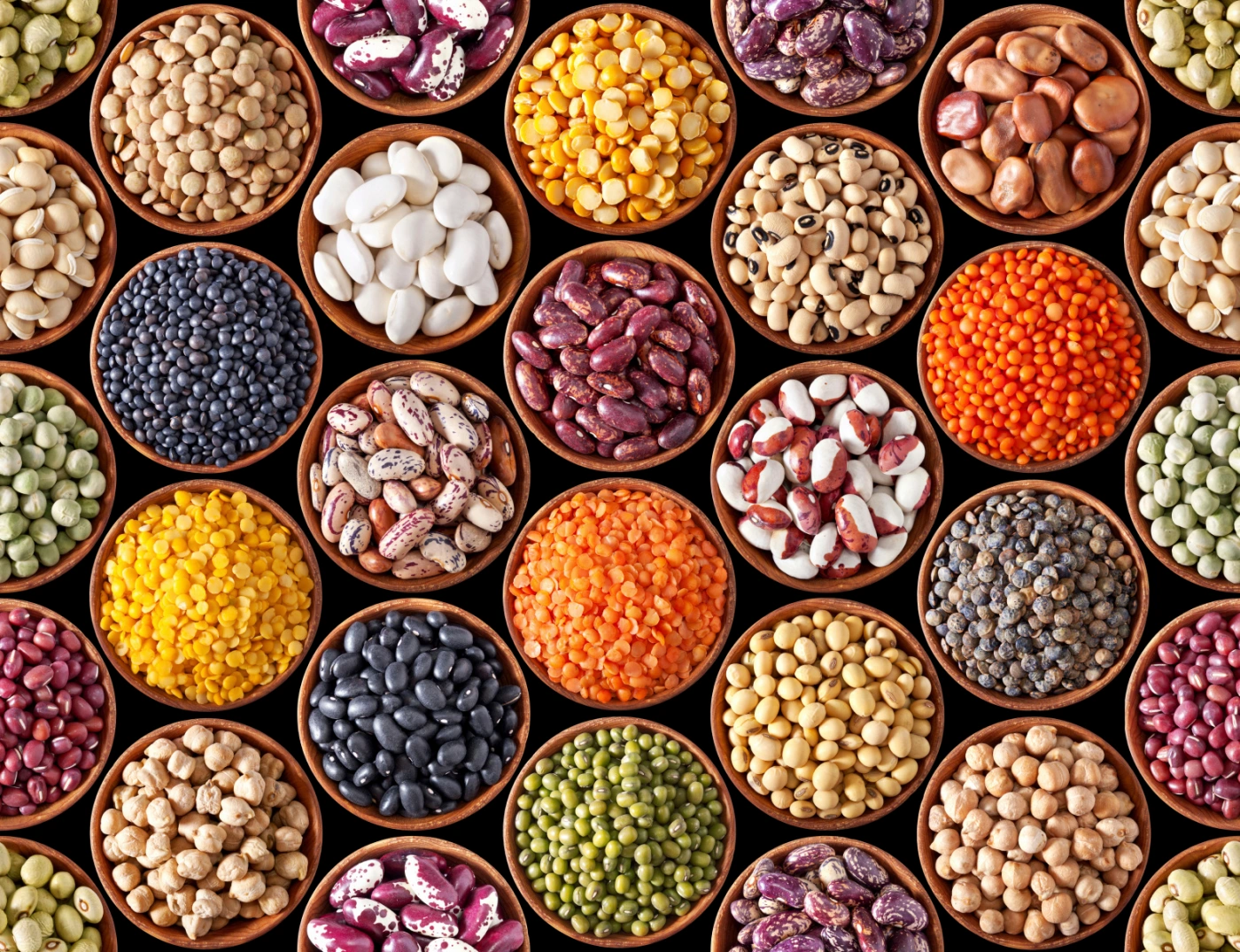
India is one of the largest producers and consumers of pulses in the world, and its position as a reliable Pulses Exporter from India continues to strengthen with growing global demand for healthy, protein-rich foods. Often referred to as legumes in international markets, pulses are an essential part of human diets across continents, especially in countries that value plant-based nutrition.
As a leading Legumes Exporter from India, the country supplies a diverse range of pulses—processed, cleaned, sorted, and packaged according to international quality standards. From lentils and chickpeas to pigeon peas and mung beans, Indian pulses are prized for their purity, nutritional value, and affordable pricing.
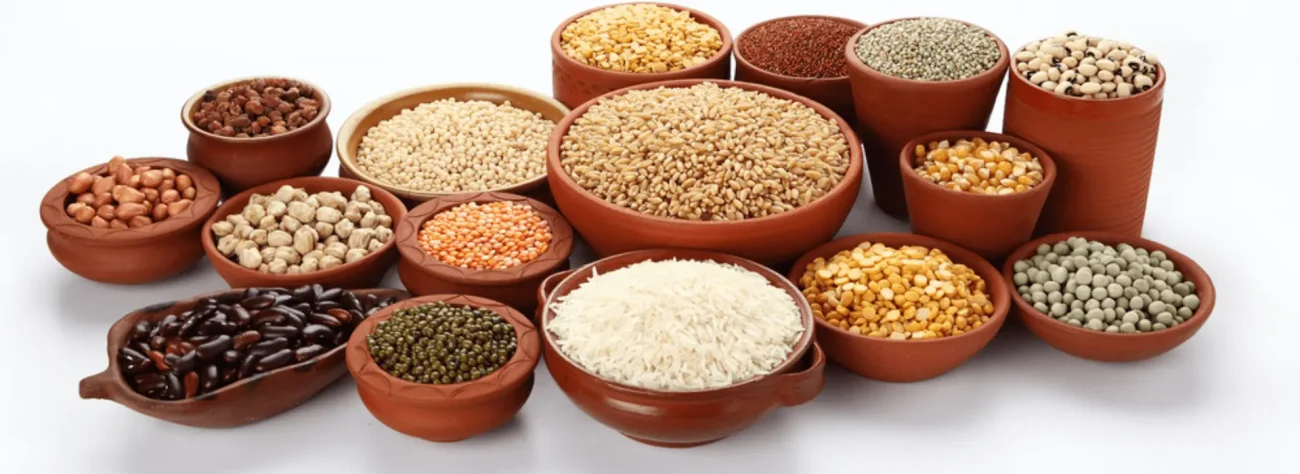
The Rich Diversity of Indian Pulses
India’s agricultural diversity allows for the cultivation of a wide variety of pulses across different states and climatic zones. Some of the major pulses and legumes exported from India include:
1. Red Lentils (Masoor Dal)
Exported in whole, split, and polished forms, Indian red lentils are a staple in Asian, Middle Eastern, and European cuisines. They are rich in protein, iron, and fiber.
2. Chickpeas (Kabuli and Desi)
Kabuli chickpeas, with their large, white grains, are ideal for hummus, salads, and Mediterranean dishes. Desi chickpeas are smaller and darker and widely used in Indian and South Asian cuisine.
3. Pigeon Peas (Toor Dal)
Toor Dal is one of the most consumed pulses in India and is now gaining popularity in African and Latin American markets for its versatility and nutritional profile.
4. Green Gram (Moong Dal)
Exported in both whole and split forms, Moong Dal is known for its easy digestibility and is used in soups, stews, and Ayurvedic diets.
5. Black Gram (Urad Dal)
Black gram is used in traditional South Asian foods like dosa, idli, and dal makhani. India exports urad in polished and unpolished forms.
6. Yellow Peas
Yellow peas are widely used in North American and European food industries for plant-based protein products and soups.
7. Horse Gram and Cowpeas
These pulses are increasingly in demand due to their high protein and fiber content, especially in health-focused food sectors.
Why India is a Leading Pulses and Legumes Exporter
✅ Abundant Production
India produces over 25 million tonnes of pulses annually, making it the largest producer in the world. States like Madhya Pradesh, Maharashtra, Uttar Pradesh, and Rajasthan contribute significantly to export-grade pulse production.
✅ Advanced Processing & Sorting Facilities
Indian exporters use cutting-edge technologies for cleaning, de-husking, polishing, sorting (optical and manual), and packaging. These systems ensure that pulses are free from impurities, pests, and moisture, meeting global safety standards.
✅ Global Certifications
Reputed Indian pulses exporters comply with international standards such as:
- FSSAI
- ISO
- HACCP
- USFDA
- EU Organic
These certifications ensure food safety, traceability, and export readiness.
✅ Custom Packaging Solutions
Whether in bulk 50 kg PP bags or consumer-ready 1 kg packs, Indian exporters offer flexible packaging to suit importer needs, including private labeling and vacuum sealing.
Top Importing Countries for Indian Pulses
Indian pulses are exported to more than 100 countries around the world. Key markets include:
- United Arab Emirates
- Saudi Arabia
- United States
- Canada
- Sri Lanka
- Nepal
- Bangladesh
- Malaysia
- Egypt
- Turkey
These markets rely on Indian exporters for both staple legumes and value-added pulse products used in retail, food service, and food processing industries.
Applications of Indian Pulses and Legumes
Pulses are highly versatile and used in a wide range of applications:
- Culinary Use: Curries, soups, salads, flours, snacks
- Food Processing: Protein isolates, bakery mixes, gluten-free products
- Nutraceuticals and Supplements: Due to their high protein and mineral content
- Animal Feed: Processed pulses also contribute to high-protein animal feed solutions
Rising Global Demand for Indian Pulses
- Health and Wellness Trends
With a growing preference for plant-based protein, vegan diets, and high-fiber foods, pulses are becoming dietary essentials. Indian exporters are meeting this trend with clean-label, chemical-free products. - Affordable Protein Source
As one of the most affordable sources of protein, Indian pulses are in demand in developing countries where malnutrition and food insecurity are concerns. - Value-Added Pulse Products
From roasted chickpeas to ready-to-cook lentil meals, Indian exporters are expanding into value-added products tailored for international retail markets. - Organic Pulses
India is also emerging as a major exporter of organic pulses, certified under USDA and EU Organic schemes, catering to premium global markets.
What to Look for in a Pulses Exporter from India
Selecting the right supplier ensures consistency, quality, and long-term business success. Here’s what importers should look for:
- Experience in Global Trade
- Clean, Hygienic Processing Facilities
- Certifications and Compliance Documents
- Bulk Supply Capacity
- Custom Labeling and Packaging Support
- Transparent Documentation and Logistics Handling
A trusted Pulses Exporter from India will not only provide premium-quality products but also offer excellent service, documentation, and global logistics support.
Conclusion
India’s role as a global Legumes Exporter and Pulses Exporter continues to expand with rising demand for healthy, natural, and affordable foods. With a strong agricultural base, modern processing systems, and strict adherence to quality norms, Indian exporters are capable of supplying pulses that meet international expectations. Whether you’re sourcing lentils, chickpeas, or mung beans, partnering with a reputed exporter from India ensures consistent supply, unmatched quality, and competitive pricing.
India is not just feeding its people—it’s nourishing the world.